Compare Local Contractors for Drain Line Replacement Services
Compare local contractors for drain line replacement to define scope, verify experience, and set clear expectations in writing for a successful project.
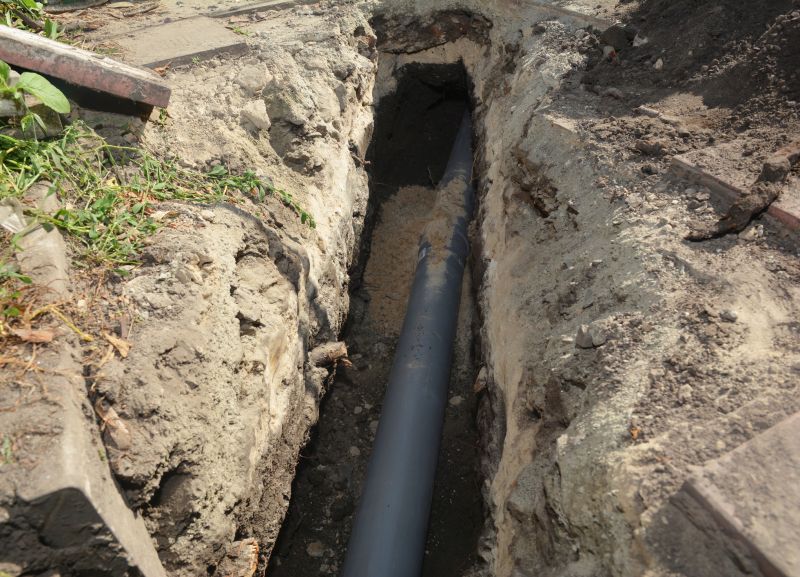
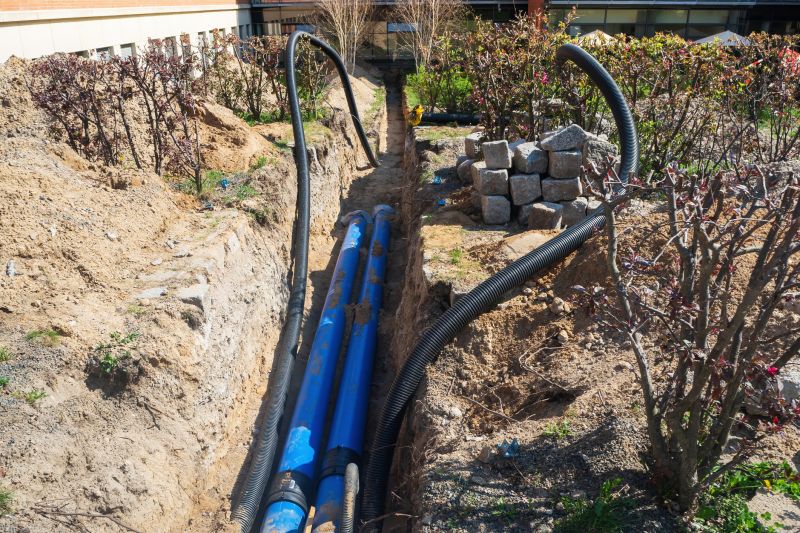
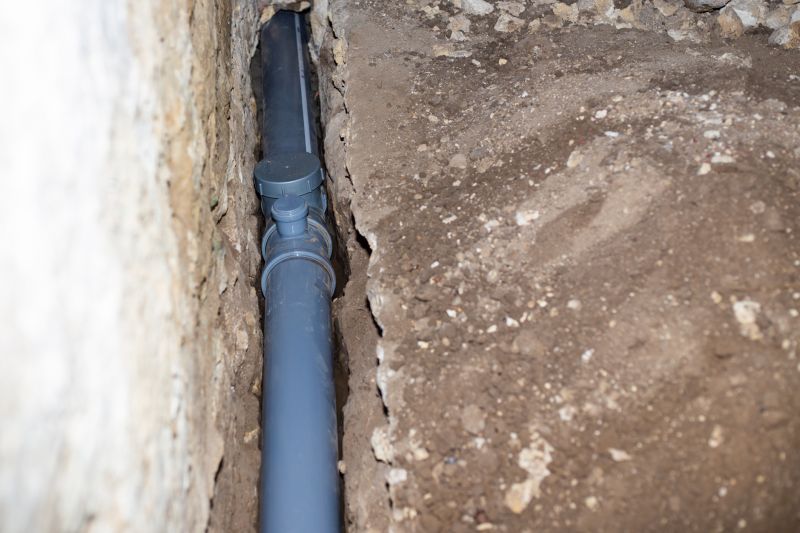
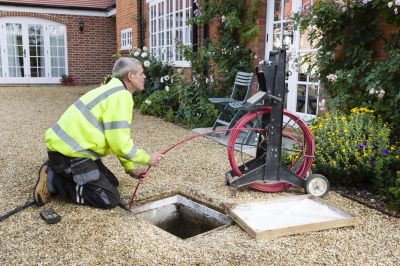
Drain line replacement involves removing and installing new underground pipes that carry wastewater from a property to the main sewer line. This work typically covers diagnosing issues with existing drain lines, excavating the affected areas, removing damaged or deteriorated pipes, and installing new piping that meets the property’s needs. Properly executed drain line replacement ensures the efficient removal of waste and helps prevent future backups or leaks, making it a critical component of maintaining a property's plumbing system.
Clearly defining the scope of drain line replacement work is essential for property owners to understand what is included and to set realistic expectations. A comprehensive scope outlines the specific sections of pipe to be replaced, the methods of excavation, the materials to be used, and any additional repairs that may be necessary, such as fixing surrounding landscaping or addressing foundation concerns. Having a detailed scope in writing helps prevent misunderstandings, ensures all parties are aligned on the work to be performed, and provides a basis for comparing different service providers’ proposals.
When evaluating local contractors for drain line replacement, property owners should consider several factors to make informed comparisons. It’s helpful to verify the experience and expertise of each service provider, including their familiarity with similar projects in the area. Reviewing the scope of work they propose, along with any warranties or guarantees, can provide insight into the quality and reliability of their services. Additionally, requesting references or checking for local reputation can assist in assessing which contractors are best suited to meet specific project needs, ensuring the work is completed to standards that match the property’s requirements.
Compare local contractors by outlining project priorities, verifying experience, and establishing clear scope and expectations in writing.
- Compare Contractor Experience - Review the background and project history of local contractors to ensure they have relevant experience in drain line replacement.
- Define Project Scope - Clearly outline the work to be done and expectations in written agreements to prevent misunderstandings.
- Verify Credentials and References - Check references and verify the reputation of service providers before hiring.
- Assess Communication and Transparency - Choose contractors who provide detailed information and are responsive to questions about the project.
Clearly describe your drain line replacement project to help compare contractors, verify experience, and set expectations in writing.
- Verify the contractor’s experience with drain line replacement projects similar in scope. - Ensure the service provider clearly defines the scope of work and materials to be used in writing.
- Compare multiple local contractors to assess their expertise and approach to drain line replacement. - Look for detailed descriptions of the process and methods each contractor plans to use.
- Check references or reviews to gauge the quality of past drain line replacement work performed by the contractor. - Confirm that the contractor provides a written estimate outlining the project details and expectations.
- Discuss the specific issues with the drain line to ensure the contractor understands the scope and potential challenges. - Ensure all project expectations, including any necessary permits or inspections, are documented beforehand.
- Assess the contractor’s communication style and responsiveness to determine their professionalism and reliability. - Clarify warranty or guarantee policies in writing before proceeding with the work.
Compare local contractors’ experience, clarify scope, and set clear expectations to ensure a successful drain line replacement.
Use consistent comparison criteria to evaluate local contractors’ scope, experience, and written expectations for drain line replacement.
- Scope Definition - Clearly outline the extent of the drain line replacement, including the specific sections to be replaced or repaired.
- Material Specifications - Specify the types of materials and fittings to be used for the new drain line.
- Work Area Preparation - Identify any necessary site preparations or protective measures required before starting the replacement.
- Inspection and Testing - Determine the procedures for inspecting the new drain line and verifying proper function after installation.
- Warranty and Guarantees - Define the scope of coverage for workmanship and materials, and ensure it is documented in the service agreement.
When evaluating contractors for drain line replacement, it’s important to consider their experience with similar projects. Homeowners should look for service providers who have a proven track record in handling drain line replacements comparable in scope and complexity. Asking about past projects or requesting references can help gauge their familiarity with the specific challenges involved, such as working within existing structures or managing underground piping. An experienced contractor is more likely to understand potential issues that may arise and how to address them effectively, contributing to a smoother project process.
A clear, written scope of work is essential when comparing contractors. This document should outline the specific tasks involved, including the extent of excavation, type of materials to be used, and any additional work that might be necessary. A detailed scope helps ensure that all parties have the same understanding of what the project entails, reducing the risk of miscommunication or unexpected surprises later on. Homeowners should seek service providers who can provide comprehensive, written descriptions of the work to be performed, establishing clear expectations from the outset.
Verification basics are a key aspect of evaluating drain line replacement contractors. Homeowners should verify that potential service providers have the appropriate experience, references, and a history of completed projects similar to their needs. It’s also helpful to confirm that the contractor adheres to industry standards and best practices, even if formal licensing or certification isn’t a requirement in the area. Gathering this information through questions and references can help establish confidence that the contractor is capable of delivering quality work and handling the specific demands of drain line replacement.
When comparing options, homeowners should focus on how well each contractor’s proposal aligns with their project needs and expectations. This includes reviewing the scope of work, understanding the proposed methods, and ensuring there are no ambiguities or vague descriptions. It’s also beneficial to ask how each service provider plans to verify the work’s quality and completion, such as through inspections or testing. By thoroughly reviewing these aspects, homeowners can make informed decisions based on the contractor’s experience, clarity of communication, and approach to project verification-helping to select a dependable partner for the drain line replacement.
Request written scope details to ensure clear expectations and consistent understanding among local contractors.
- Experience and Qualifications - What experience do the local contractors have with drain line replacement projects?
- Scope of Work - How will the scope of the drain line replacement be defined and documented in writing?
- Materials and Methods - What materials and installation methods do the local service providers plan to use?
- Project Expectations - How do the contractors clarify what is included and excluded in the scope of work?
- Comparison Criteria - What factors should be considered when comparing different local contractors’ approaches and expertise?
How can I compare different contractors for drain line replacement? It’s helpful to review their experience, ask about previous projects, and verify if they provide clear written estimates and scope of work to ensure informed comparisons.
What should I ask contractors to define the scope of the drain line replacement? Request detailed descriptions of the work involved, materials to be used, and any specific steps they plan to take, ensuring all aspects are clearly outlined in writing.
How do I verify a contractor's experience with drain line replacement? Inquire about their past projects, ask for references if available, and confirm how many drain line replacements they have completed to assess their familiarity with the work.
What are some key factors to consider when choosing a contractor for drain line replacement? Focus on their experience, clarity of the scope of work, reputation, and the quality of communication to ensure they meet project expectations.
Why is it important to have a written agreement with a contractor? A written agreement helps clarify the scope, responsibilities, and expectations, reducing potential misunderstandings during the project.
How can I ensure the scope of work is comprehensive before hiring a contractor? Review the detailed description of the work, materials, and procedures, and discuss any questions or concerns to confirm everything is included before signing an agreement.
This page has provided an overview of what to consider when seeking contractors for drain line replacement. Visitors have learned the importance of clearly defining the scope of work, verifying the experience of service providers, and ensuring that all project details are documented in writing. Comparing local contractors based on these factors can help in making informed decisions aligned with specific project needs.
To find the right contractor for drain line replacement, using the quote form to compare options in the area is recommended. Connecting with experienced service providers allows for a better understanding of available services and helps set clear expectations. Taking the time to evaluate local contractors can support a smooth and transparent project process.